English
- English
- 中文
Is the third-party battery of the Apple mobile phone really a "pit"?
Time: 2025-02-07 14:41:04
Author: Shenzhen GXHS Electronic Technology Co., Ltd.
Click:
In the huge ecosystem of smartphones, the battery is the core component, and its performance is directly related to the user's experience. As the world's most influential mobile phone brand, the third-party battery market for iPhone has shown a booming trend in recent years.
1. The current situation of the iPhone third-party battery market
In the huge ecosystem of smartphones, the battery is the core component, and its performance is directly related to the user's experience. As the world's most influential mobile phone brand, the third-party battery market for iPhone has shown a booming trend in recent years.
In terms of market share, iPhone third-party batteries occupy a fairly important position in the entire mobile phone battery market. As the number of iPhone users continues to grow, and Apple's official battery replacement price is relatively high, many users have set their sights on the third-party battery market. Relevant data shows that in the past few years, the market share of iPhone third-party batteries has increased year by year, especially in some developing countries, due to its high cost performance, third-party batteries have been widely welcomed.
In terms of market development trends, it shows a trend of diversification and quality. On the one hand, the types of third-party batteries are becoming more and more abundant, from traditional lithium-ion batteries to emerging new battery technologies, such as high-capacity polymer batteries, graphene batteries and other concept products, which are constantly expanding the choice space of users. On the other hand, users have higher and higher requirements for battery quality, and are no longer satisfied with the low price, but also pay more attention to key indicators such as battery life, safety, and service life. This also prompts third-party battery manufacturers to continuously increase R&D investment and improve product quality to stand out in the fierce market competition. For example, some well-known brands have significantly improved the performance and stability of batteries by using high-quality battery cell materials and optimizing production processes.

2. Factors influencing the iPhone third-party battery market
(1) Price factors
Apple's official battery replacement price has been high. Taking the iPhone 14/15 series as an example, the official battery replacement price is as high as 809 yuan, and the official battery replacement price from iPhone X to iPhone 13/12 series also costs 729 yuan, even for the earlier iPhone 8 series and below, the official battery replacement price is 559 yuan. Such a price is prohibitive for many consumers. In contrast, the price advantage of third-party batteries is very obvious. On e-commerce platforms, the price of third-party batteries generally ranges from tens of yuan to three or four hundred yuan. For example, the standard capacity 3110mAh battery provided by Pinsheng for the iPhone 11 costs only 275 yuan including installation costs; And Scud's ultra-high-capacity 3600mAh battery, which only costs 239 yuan when the installation fee is not included, plus the installation fee is also much lower than the official price. For consumers with limited budgets, the price of third-party batteries is extremely attractive, which is also an important factor driving the development of the third-party battery market.
(2) Performance and safety factors
In terms of performance, third-party batteries have performed unevenly. Some high-quality third-party batteries are not inferior to the original batteries in terms of battery life, and even some high-capacity versions of the battery can significantly improve the battery life of the phone. For example, some brands offer larger-capacity batteries that provide users with 1-2 hours more time than the original battery. However, there are also some third-party batteries with false standard capacity, and the battery life is far less than advertised when actually used.
From the perspective of battery life, some third-party batteries with high-quality battery cells and advanced manufacturing processes can reach a similar level to the original battery, which can ensure that it can maintain good performance after multiple charges and discharges. However, it cannot be ignored that there are also many inferior batteries on the market, which have obvious capacity decay after a few months of use, which seriously affects the user experience.
Safety is a controversial point for third-party batteries. Due to the low technical threshold of battery production, some small manufacturers cut corners in battery materials and production processes in order to reduce costs, resulting in potential safety hazards in batteries. Apple has pointed out that most third-party batteries on the market fail safety tests and pose a risk of fire or explosion. For example, some third-party batteries are prone to bulging in high-temperature environments, which may cause battery combustion in severe cases, posing a threat to the personal and property safety of users.
(3) Apple's official policy factors
Apple's official policy on third-party batteries was once very strict. Previously, if an iPhone replaced a third-party battery, not only could you not see the battery health, but there were also functional limitations. For example, a pop-up window will prompt the user that the battery is not original, and some models will also disable features such as True Tone. This makes many users have concerns when choosing a third-party battery, worrying about affecting the overall experience of using the phone.
However, in recent years, Apple's policy on third-party batteries has been relaxed. Starting in 2024, Apple will allow iPhones to receive technical support at the Genius Bar or authorized after-sales offices even after a third-party battery is replaced. If the repair is not related to the battery, Apple's authorized repair point can ignore the third-party battery and continue to provide normal repair services, such as repairing the screen, motherboard, microphone, etc., and charge the normal fee; If the repair is related to the battery itself, it is also possible to replace a third-party battery with an official Apple battery for a standard fee. In addition, after upgrading to the latest iOS 18.1 beta, even if the iPhone replaces a third-party battery, it will be able to view information about the battery health, such as maximum capacity, number of cycles, etc., but it will prompt the user that the true state of the battery cannot be verified. This series of policy adjustments has alleviated users' concerns about third-party batteries to a certain extent, and also brought new opportunities for the development of the third-party battery market.
3. The competitive landscape of the iPhone third-party battery market
(1) Introduction of major brands
There are many brands active in the iPhone third-party battery market, and they have their own advantages to occupy a place in the market.
Pinsheng is a well-known battery brand in China, and its market share is considerable. The brand attaches great importance to product development and innovation, and in terms of technology, it adopts advanced battery cell manufacturing process to ensure the stable and reliable performance of the battery. For example, the battery designed by Pinsheng for the iPhone can meet the daily use needs of most users in terms of capacity and battery life. At the same time, Pinsheng has built an extensive offline service network, and 'Qianji.com' is its important offline service support. Through cooperation with 'Qianji.com', Pinsheng provides users with convenient battery replacement services, and users can enjoy professional installation services in the stores of 'Qianji.com' after purchasing batteries, which greatly improves the user experience and makes it stand out in the market competition, attracting a large number of users who pay attention to the convenience of after-sales service.
SCUD is also a significant player in the third-party battery market. As a veteran battery company with deep technical accumulation, SCUD has rich experience in the field of battery manufacturing. Its products are known for their high capacity and durability, and the batteries produced for iPhones, some of which are even larger than the original batteries, can significantly extend the life of the phone. In the production process, SCUD strictly controls the quality, using high-quality raw materials and advanced production equipment to ensure that each battery meets high standards. Thanks to its excellent product quality, SCUD has a loyal user base in the market, especially those who have high requirements for battery life.
Nuoxi also occupies a certain share in the third-party battery market. The brand attracts consumers with a cost-effective product positioning. Nuoxi focuses on providing users with battery products that meet their needs, and on the premise of ensuring quality, by optimizing the production process and supply chain management, it effectively reduces costs, so as to bring products to the market at a relatively low price. For example, the battery launched by Noxi for the iPhone 11 series is affordable and can meet daily use in terms of performance, which is a good choice for users who have a budget but need to replace the battery.
JQJQ has made its mark in the third-party battery market in recent years. The brand attaches great importance to the safety and performance of batteries, implements a strict quality control system in the production process, and strictly follows relevant international and domestic standards to ensure that each battery can work stably under various extreme conditions. At the same time, JQJQ has set up a professional R&D team to continuously invest resources in the research and development and innovation of battery technology, and is committed to improving the energy density and service life of batteries. The battery developed for the iPhone has won the recognition of many users for its excellent performance in terms of battery life and longevity.
In recent years, GXHS has also played a brand role that cannot be ignored in the third-party battery market, and the brand is favored by the market for its high reliability and cost performance. Guangxin Hongsheng pays attention to innovation and keeps pace with the times, and its iPhone series batteries have all passed CCC certification, and the source factory has also obtained the ISO9001 quality management system standard certification. Guangxin Hongsheng selects high-quality battery cells from leading manufacturers and independently develops BMS protection boards to ensure product safety and stable performance. It has a professional production, R&D and sales team, adopts automated production lines and key labor, and follows standard operating procedures to achieve production standardization and product consistency.
(2) Brand competition strategy
In order to compete for a larger share of the highly competitive market, brands have implemented different competitive strategies.
Price war is one of the common tactics used by some brands. In order to attract price-sensitive consumers, some brands increase the competitiveness of their products by lowering their prices. For example, during e-commerce promotions, some third-party battery brands will significantly reduce prices and launch limited-time promotions to attract consumers to buy. However, there are also certain risks associated with over-reliance on price wars, which may make it difficult to ensure product quality and affect brand image.
Technological innovation is a key strategy to enhance brand competitiveness. Many brands have increased their investment in R&D and are committed to launching better battery products. For example, some brands have developed high-capacity batteries, which significantly increase the battery's power storage capacity without changing the battery size, thereby extending the life of the iPhone. There are also brands that focus on improving the charging technology of the battery, increasing the charging speed and reducing the waiting time of users. In addition, in terms of battery safety technology, there are also brands that have made breakthroughs to reduce safety risks such as battery fire and explosion by adopting new materials and designs.
After-sales service is also an important aspect of brand competition. Taking Kuangshun Hongsheng as an example, it provides users with a free disassembly kit and provides a battery installation video, which solves the problem of replacing the battery by the user. On this basis, Kuangshun Hongsheng also provides a long-term warranty service, promising that within a certain period of time, if the battery has quality problems, it will be replaced for users free of charge. This kind of high-quality after-sales service enhances users' trust and loyalty to the brand, attracting more users to choose its products.
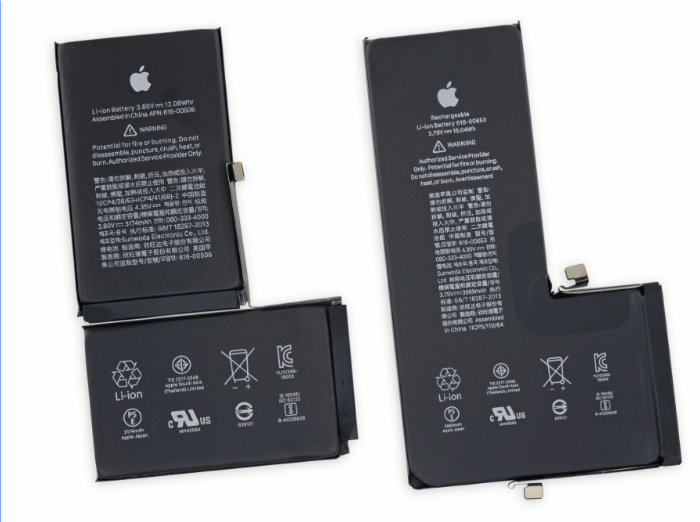
4. The iPhone third-party battery market size forecast
Based on current market trends and influencing factors, we have a prudent forecast for the size of the iPhone third-party battery market in the coming years. It is expected that in the next five years, the size of the iPhone third-party battery market will continue to grow. By 2025, as models such as the iPhone 14 series enter the peak period of battery replacement, and third-party batteries continue to improve in technology and quality, the market size is expected to reach a considerable scale of 100 million. This growth is mainly due to the continued preference of price-sensitive consumers for cost-effective third-party batteries, as well as the market space formed by Apple's high official battery replacement prices.
In the long run, by 2028, if Apple continues to maintain high official battery replacement prices, and third-party battery manufacturers can effectively solve safety and performance issues, and further improve product quality and user experience, the scale of the iPhone third-party battery market will have a greater breakthrough. Especially with the continuous advancement of technology, third-party batteries will be closer to or even surpass the level of original batteries in terms of capacity, life and safety, which will attract more users to choose third-party batteries, thereby promoting the further expansion of the market scale. At the same time, the steady growth of the number of iPhone users around the world and the increasing demand for battery life in the smartphone market will also provide continuous impetus for the development of the iPhone third-party battery market.
5. The development trend of the iPhone third-party battery market
(1) Technological development trends
At the technical level, third-party batteries will move towards higher energy density, faster charging speeds, and more safety and reliability. In response to users' urgent demand for battery life, battery manufacturers will increase R&D investment and explore new materials and manufacturing processes to improve the energy density of the battery, so that more power can be stored in the limited battery volume, thereby significantly extending the battery life of the iPhone. For example, some third-party batteries have been trying to use new electrode materials, such as silicon-based materials, to replace traditional graphite anodes to improve the energy storage capacity of batteries.
In terms of charging speed, with the continuous innovation of fast charging technology, third-party batteries are expected to achieve higher power fast charging. For example, gallium nitride (GaN) technology has already achieved remarkable results in the field of chargers, and it may be further integrated into the design of third-party batteries in the future, allowing iPhone to be charged in a shorter time to meet the needs of users' fast-paced lives.
Security technology will also be a key development direction. Manufacturers will adopt a more advanced battery management system (BMS) to monitor the voltage, current and temperature parameters of the battery in real time, and accurately control the charging and discharging process of the battery through intelligent algorithms, effectively preventing safety problems such as overcharging, over-discharging and overheating. At the same time, in the selection of battery materials, we will tend to use safer and more stable materials to reduce the safety risk of batteries from the source.
(2) The trend of market demand
Consumer demand for third-party batteries will show a trend of diversification and personalization. In addition to paying attention to the basic performance of the battery, such as battery life and charging speed, users will also put forward higher requirements for the portability, environmental friendliness and adaptability of the battery with mobile phones. For example, for users who travel a lot, they may prefer to choose a small, lightweight battery, and at the same time want the battery to have good compatibility and be able to charge stably in different regional power environments.
In addition, with the increasing awareness of environmental protection, more and more consumers will pay attention to the environmental performance of batteries, such as battery recyclability, carbon emissions in the production process, etc. This will prompt third-party battery manufacturers to pay more attention to environmental protection in the production process, using environmentally friendly materials and processes to meet consumer demand for green products.
For some users who want to be personalized, they may want the battery to have a unique design or functional features, such as a battery case with a battery level display function, a third-party battery that supports wireless charging, etc. Third-party battery manufacturers need to keenly grasp these changes in market demand and launch products that meet the personalized needs of users in a timely manner to gain an advantage in market competition.
(3) Trends in the influence of policies and regulations
The impact of policies and regulations on the iPhone third-party battery market cannot be ignored. In terms of environmental protection, governments around the world have set increasingly stringent standards and regulations for the recycling and disposal of batteries. For example, the European Union's Battery Act, which requires all batteries to be removable starting in 2027, will not only prompt Apple to improve iPhone battery design, but will also have a profound impact on the third-party battery market. Third-party battery manufacturers need to ensure that their products comply with relevant environmental regulations, strengthen the construction of battery recycling systems, and improve the recycling rate and reuse rate of batteries, otherwise they may face market access restrictions and high fines.
In terms of product quality and safety standards, the relevant departments are also constantly strengthening supervision. The government will introduce stricter battery quality testing standards and safety certification requirements, and only certified products can enter the market. This will eliminate a number of small manufacturers with backward technology and substandard quality, promote the concentration of market resources on brands with technical strength and quality assurance, and promote the development of the entire third-party battery market in the direction of standardization and high quality. For example, China has implemented a mandatory CCC certification system for electronic and electrical products, and third-party battery products must pass CCC certification before they can be legally sold in the domestic market, which requires manufacturers to strictly control product quality and safety performance.
6. Summary and Suggestions
(1) Summary
To sum up, the iPhone third-party battery market is currently booming, which is affected by a combination of price, performance, safety, and Apple's official policies. In the competitive landscape, brands such as Pinsheng, Scud, Nuoxi, JQJQ, and GXHS Xingyi have shown their magic powers, and competed for market share through price strategy, technological innovation and high-quality after-sales service.
Judging from the scale forecast, the market size will continue to grow in the next few years. In terms of development trend, the technical level is moving towards high energy density, fast charging speed and high safety; The market demand is becoming more and more diversified and personalized, and the demand for environmental protection is gradually becoming prominent; In terms of policies and regulations, the requirements for environmental protection and quality and safety are becoming more and more stringent, promoting the standardization of the market.
(2) Recommendations
For consumers, it is important to consider carefully when choosing a third-party battery. Preference is given to well-known brands, such as the aforementioned Pinsheng, Scud, Noxi, JQJQ, GXHS, etc., which are usually more guaranteed in terms of quality and after-sales. At the same time, it is necessary to pay attention to the certification of the product to ensure that the battery has passed the necessary quality and safety certifications such as CCC certification. It is recommended to buy from formal channels, such as the brand's official flagship store, authorized stores of large e-commerce platforms, etc., to avoid buying counterfeit and shoddy products due to greed for cheapness, which will bring potential safety hazards and use troubles to yourself.
For third-party battery manufacturers, technological innovation should be regarded as the core development driver. Continue to increase R&D investment, make every effort to overcome the technical problems of batteries in terms of energy density, charging speed and safety, improve product performance, narrow the gap with the original battery, and even surpass. Strictly control product quality, establish a sound quality control system, from raw material procurement to production and processing, to finished product testing, every link can not be relaxed. At the same time, it is necessary to actively respond to the requirements of policies and regulations, strengthen environmental protection measures, improve the battery recycling system, and achieve sustainable development. In addition, it is also necessary to pay attention to brand building and after-sales service, and enhance users' trust and loyalty to the brand by providing high-quality services, so as to gain a firm foothold in the fierce market competition and achieve long-term development.

Home | About Us | News | Contact
Product | battery | Rechargeable | Official Mall
Tel :0755-8860 5858
E-mail:cmq@szgxhs.com
Add : F3, No. 18, Dishan North Road,
Xinsheng Community,Longgang
Street, Longgang District,Shenzhen,
Guangdong, China