English
- English
- 中文
What material is used in the tabs of the iPhone battery? What are the characteristics and advantages of aluminium-to-nickel conversion technology?
Time: 2024-12-05 13:53:06
Author: Shenzhen GXHS Electronic Technology Co., Ltd.
Click:
The mobile phone battery is divided into positive and negative poles, and the tabs are the metal conductors that draw the positive and negative electrodes from the cell.
The mobile phone battery is divided into positive and negative poles, and the tabs are the metal conductors that draw the positive and negative electrodes from the cell.
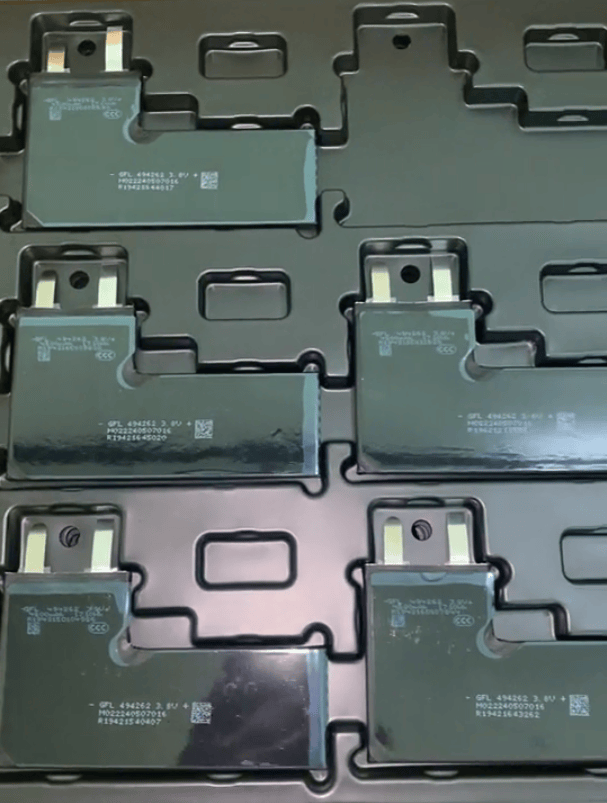
What material is used in the tabs of the iPhone battery?
The materials used in the tabs of iPhone batteries mainly include aluminum (Al) and nickel (Ni). The tab is an important part of the battery, and the choice of material has an important impact on the performance of the battery. In iPhone batteries, aluminum is used for the positive tabs, while nickel is used for the negative tabs. This design helps to improve the stability and safety of the battery.
In addition, the structure of the tab is composed of two parts, film and metal strip, which helps to enhance the mechanical strength and conductivity of the tab. The application of aluminum materials in positive tabs is mainly due to its good conductivity and lightweight characteristics, while the application of nickel materials in negative tabs is due to its corrosion resistance and high conductivity.
In general, the material selection and structural design of the iPhone battery tabs are all to ensure the efficient, stable and safe operation of the battery.
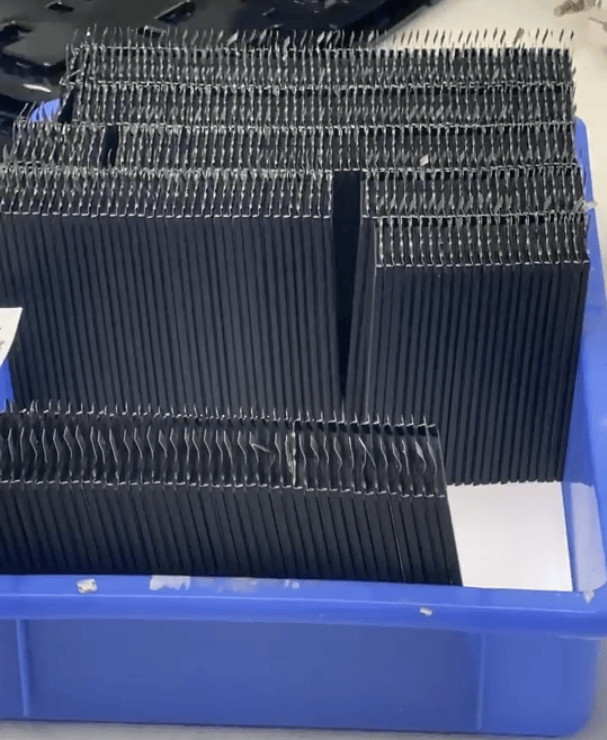
Why do mobile phone batteries use aluminum-to-nickel electrodes?
1. Increase battery capacity: Aluminum-to-nickel electrodes can increase the capacity of the battery. Compared with traditional carbon-to-lithium electrodes, aluminum-to-nickel electrodes have higher ion intercalation/de-intercalation capabilities, allowing the battery to store more lithium ions in the same volume.2. Increase the charge-discharge rate: The aluminum-to-nickel electrode can provide a more efficient charge-discharge rate. Compared with carbon-to-lithium electrodes, aluminum-to-nickel electrodes have higher conductivity and faster ion transfer rates, allowing the battery to charge and discharge more quickly.
3. Improve battery life: Aluminum-to-nickel electrodes can improve the cycle life of the battery. The aluminum-to-nickel electrode has better stability and smaller capacity attenuation, which can slow down the capacity decay rate of the battery during charging and discharging, thereby prolonging the service life of the battery.
4. Improve safety performance: Aluminum-to-nickel electrodes can also improve the safety performance of lithium batteries. Due to the high thermal stability and resistance to thermal runaway of nickel, the use of aluminum-to-nickel electrodes can reduce the safety risk of lithium batteries under abnormal conditions such as high temperature or overcharging.
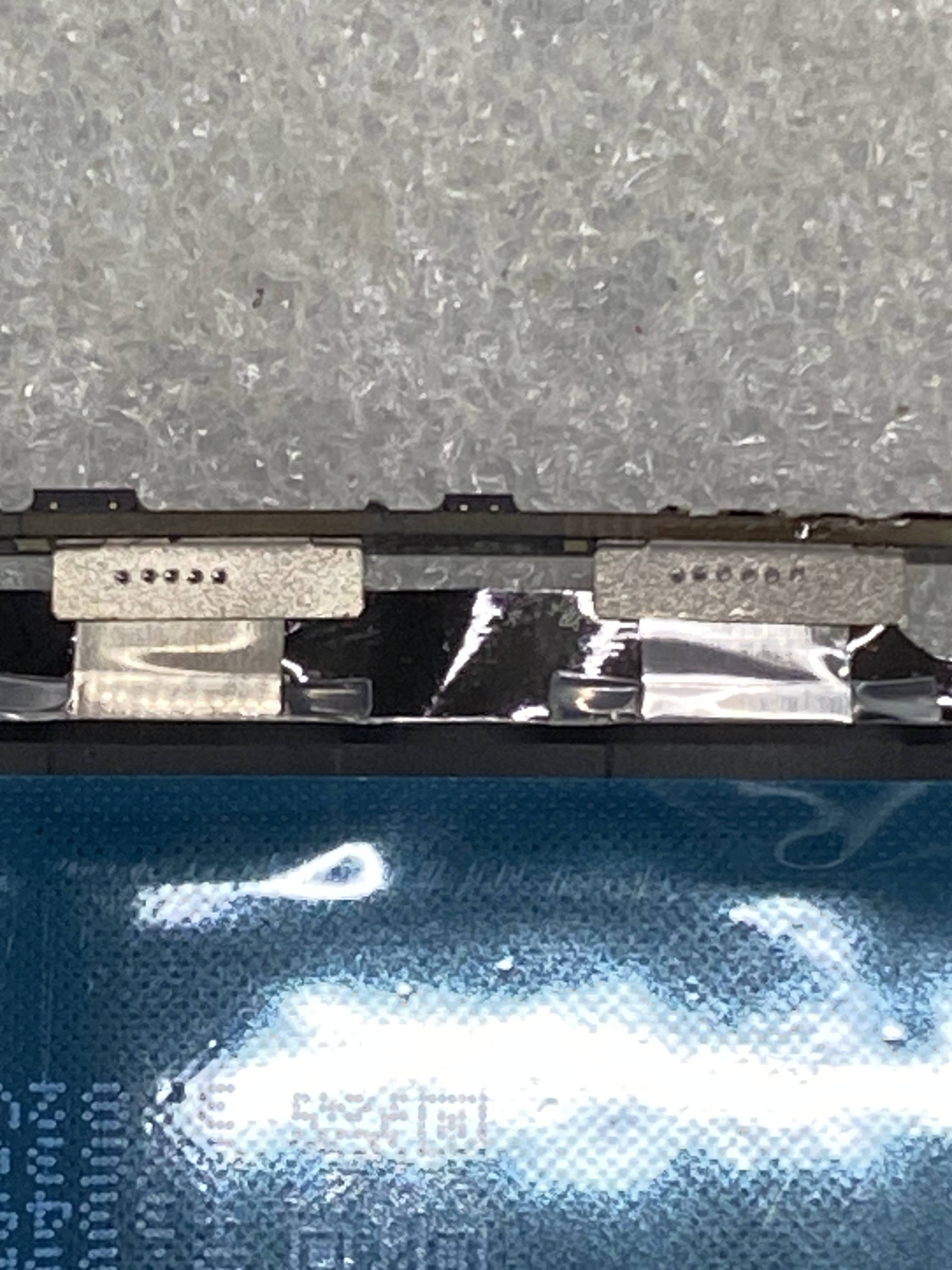
The principle of aluminium-to-nickel conversion of mobile phone batteries.
Conductivity and texture: Both aluminium and nickel have good conductivity and a soft texture, which is conducive to bonding. Although the alumina protective film formed on the surface of aluminium is insulating, because it is thin, it can be electronically conductive through the tunneling effect. In contrast, a thicker oxide layer on the copper/nickel surface results in a larger impedance. Potential and chemical reaction: The cathode potential is high, and the oxide layer of aluminium is dense, which can effectively prevent the oxidation of the current collector. However, the oxide layer of copper/nickel foil is looser, and it is more likely to be oxidized when the potential is low, and Li will react with copper/nickel at low potential. Aluminium foil cannot be used as a negative electrode because LiAl alloying occurs at low potentials. Surface Treatment: Before use, the current collector usually needs to undergo surface cleaning to remove oil and thick oxide layers, ensure electrical conductivity and prevent pitting corrosion. Application scenario: Aluminium to nickel technology is mainly used in the welding of polymer pouch battery electrodes, especially in the small battery industry such as mobile phone lithium batteries. The automatic laser welding machine achieves a fast and efficient welding process by combining galvanometer scanning and welding systems. Through the above principles, aluminium-to-nickel technology ensures the conductivity, stability and safety of batteries, and is suitable for battery manufacturing in modern electronic devices.
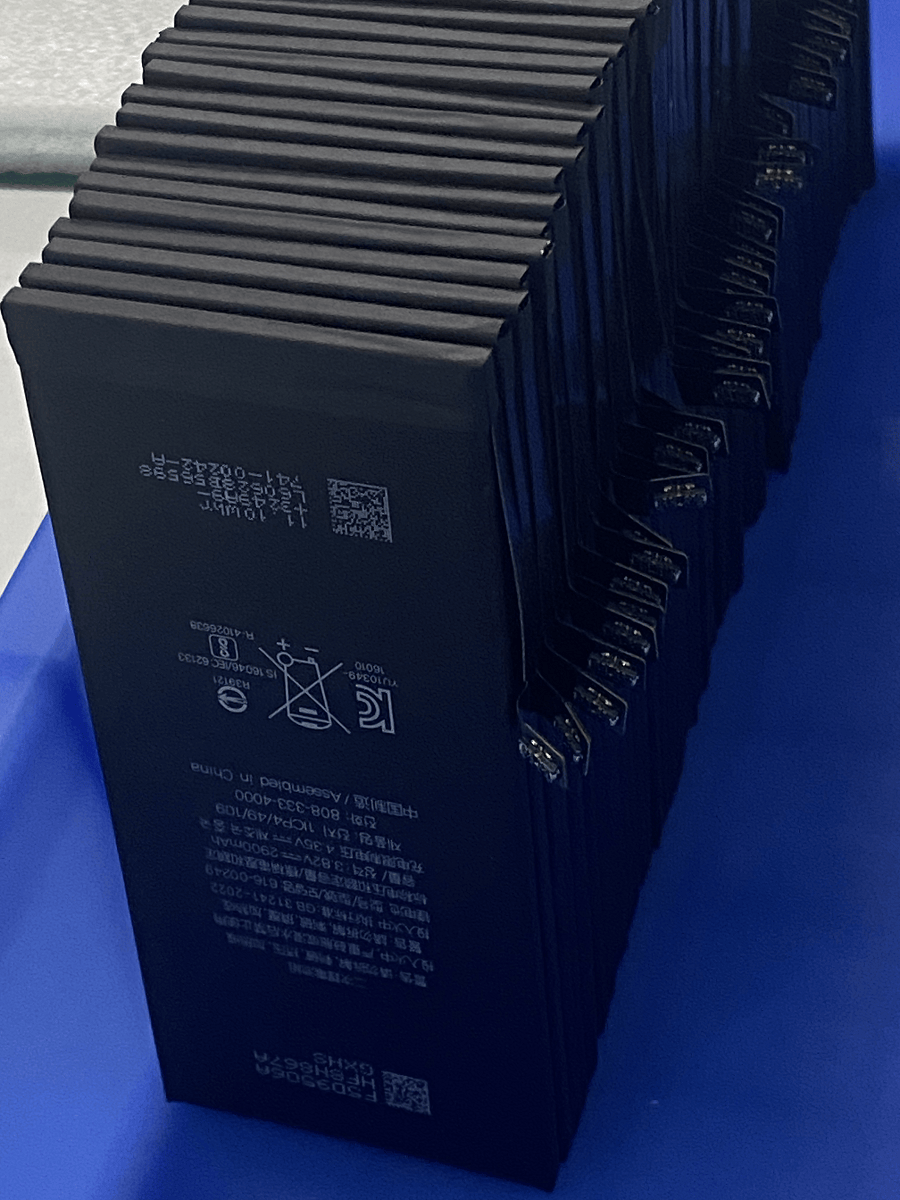
Specific applications and advantages of aluminium-to-nickel conversion technology.
Conductivity and stability: Aluminium and nickel have good conductivity, soft texture, and oxide protective film can be formed on the surface, which is suitable for current collectors of batteries. The oxide layer of aluminium is dense and can effectively prevent oxidation of the current collector, while the oxide layer of copper/nickel foil is loose and easy to oxidize.
Automatic welding: The polymer pouch battery tab aluminium-to-nickel laser welding machine adopts a combination of galvanometer scanning and welding system, with fast welding speed, especially suitable for laser precision spot welding of small thin-walled parts, with high production efficiency, stable quality and easy operation.

Home | About Us | News | Contact
Product | battery | Rechargeable | Official Mall
Tel :0755-8860 5858
E-mail:cmq@szgxhs.com
Add : F3, No. 18, Dishan North Road,
Xinsheng Community,Longgang
Street, Longgang District,Shenzhen,
Guangdong, China