English
- English
- 中文
What is the difference between lithium polymer and lithium-ion mobile phone batteries?
Time: 2025-03-07 10:10:54
Author: Shenzhen GXHS Electronic Technology Co., Ltd.
Click:
There are the following key differences between Li-Po and Li-ion batteries in mobile phones:
There are the following key differences between Li-Po and Li-ion batteries in mobile phones:
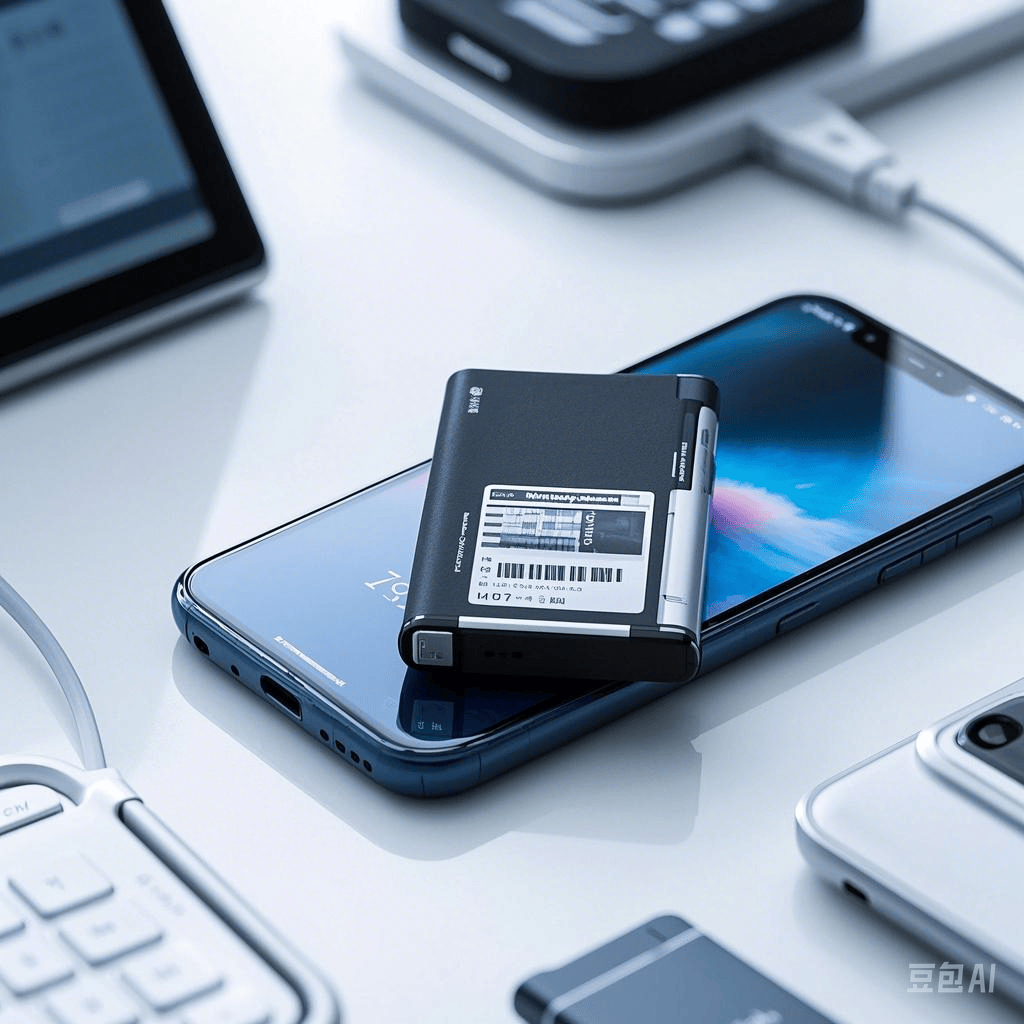
1. Electrolyte morphology
Lithium polymer batteries: Gelatinous or solid polymer electrolytes, usually encapsulated in pouch aluminum-plastic film.
Lithium-ion batteries: use a liquid electrolyte, encapsulated in a rigid metal case.
2. Flexibility in shape and design
Lithium polymer: It can be made into ultra-thin or special-shaped structures, suitable for the thin and light design of mobile phones (such as curved batteries).
Lithium-ion: Limited to a cylindrical or square metal shell, fixed in shape.
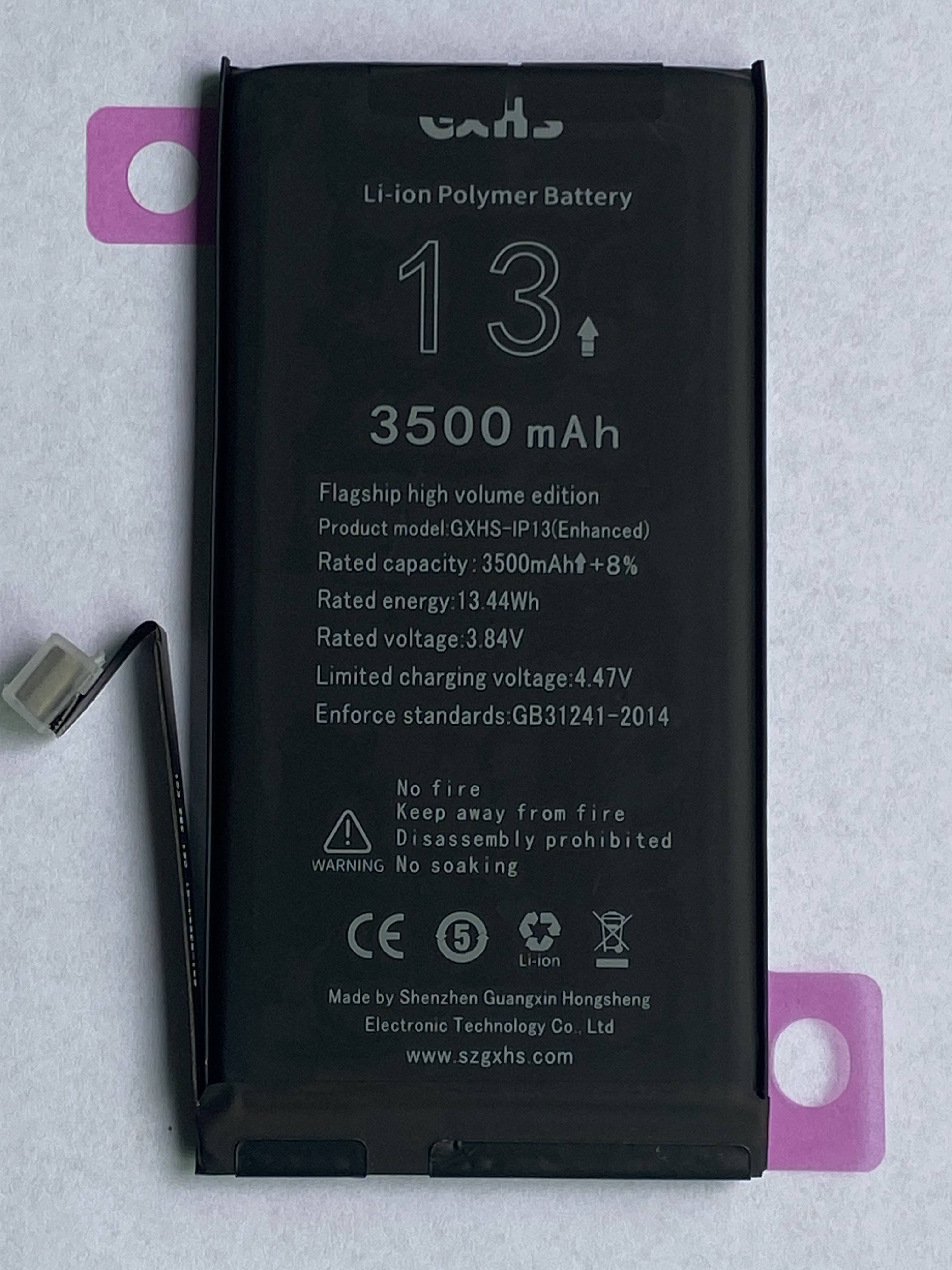
3. Energy density
Lithium polymers: Slightly better mass-to-energy density (capacity may be greater at the same weight), but bulk density may be slightly lower.
Lithium-ion: High volumetric energy density (250-300 Wh/L) for tight spaces.
4. Security
Lithium polymers: Solid electrolytes are more stable, but can still swell or burn under extreme conditions (e.g., pinpricks).
Lithium-ion: Liquid electrolytes are at high risk of leakage or thermal runaway, requiring strict circuit protection.

5. Weight and thickness
Lithium polymer: due to the lighter design of the soft pack, it can achieve a thickness of less than 1mm (such as folding screen mobile phone batteries).
Lithium-ion: The metal case adds weight and is typically ≥ 3mm thick.
6. Cycle life
Lithium polymer: about 300-500 times, but technological advances have narrowed the gap (e.g. Li-Po for iPhone can reach 800 times).
Lithium-ion: Capacity drops to 80% after about 500-1000 full cycles.
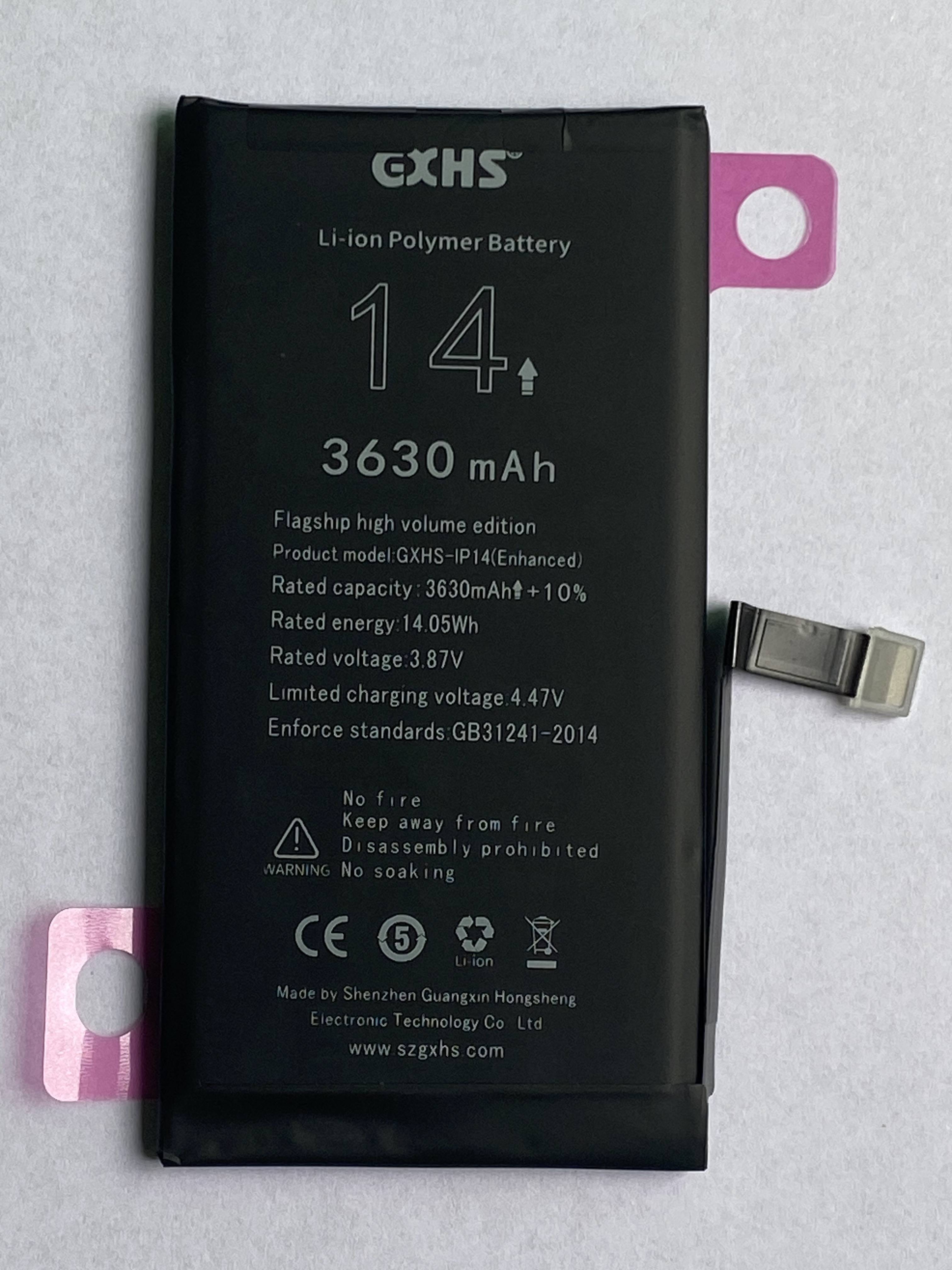
7. Cost
Lithium polymers: complex to manufacture and about 10-30% more expensive, but the gap decreases after large-scale application.
Lithium-ion: Mature process, low cost.
8. Application Trends
Mainstream mobile phones: After 2010, more people have turned to lithium polymer (such as the iPhone 4 and all series) to support the demand for lightweight, thin and large capacity.
Special scenarios: Some low-end models or early mobile phones still use lithium-ion (such as early Android models).
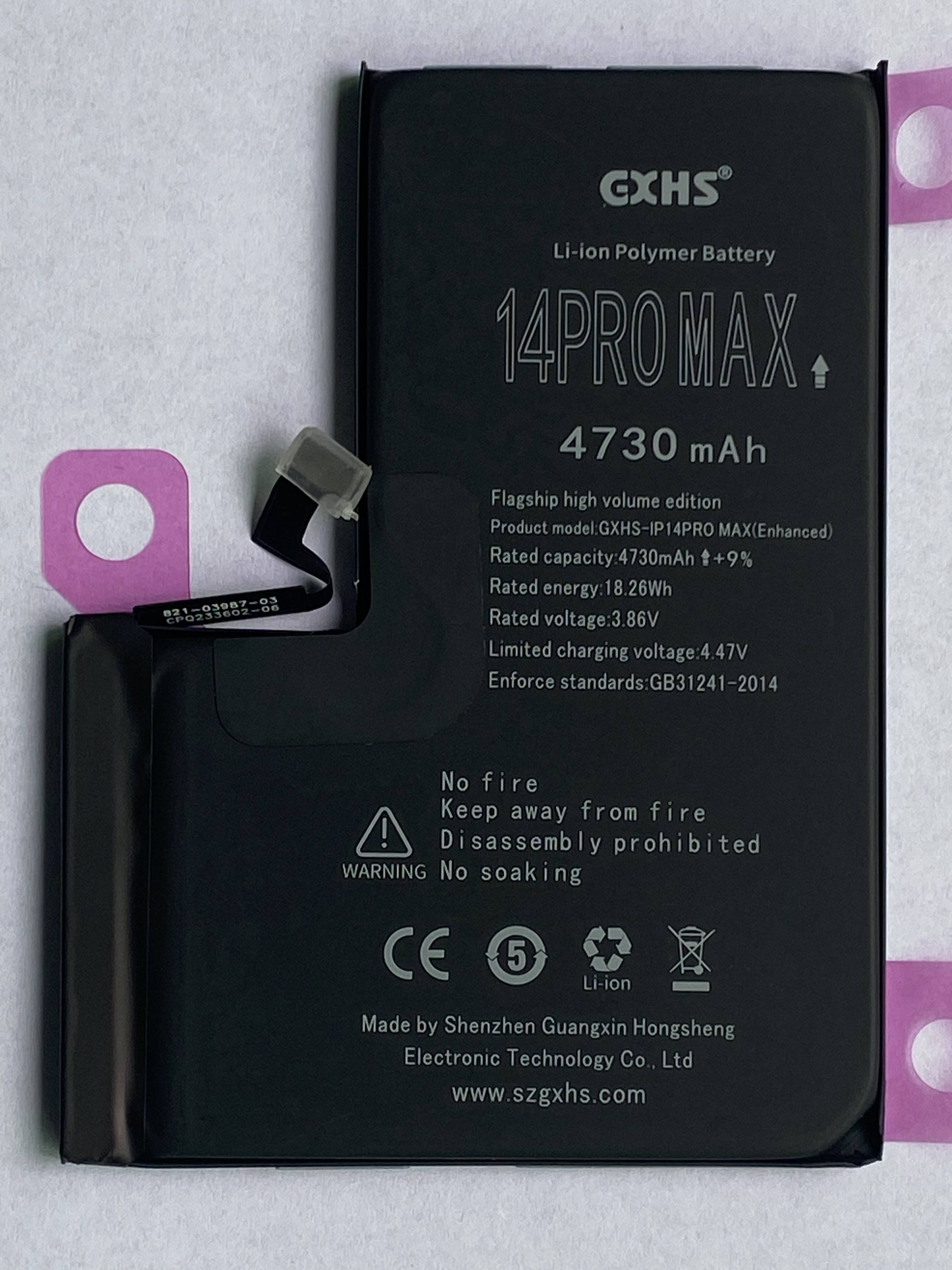
Summarize the selection logic
Mobile phone manufacturers prefer lithium-polymer batteries because of their advantages in safety, design freedom and thinness, although the cost is slightly higher. With the advancement of technology, the gap between the two in terms of energy density and life has gradually narrowed, and lithium polymer has become the standard configuration of high-end mobile phones. Differences in user perception may be more in device thickness and battery shape (e.g., L-cell design) than in direct performance parameters.

Home | About Us | News | Contact
Product | battery | Rechargeable | Official Mall
Tel :0755-8860 5858
E-mail:cmq@szgxhs.com
Add : F3, No. 18, Dishan North Road,
Xinsheng Community,Longgang
Street, Longgang District,Shenzhen,
Guangdong, China