English
- English
- 中文
What are the models of dry batteries? How is a rechargeable dry cell battery different?
Time: 2025-02-17 10:07:50
Author: Shenzhen GXHS Electronic Technology Co., Ltd.
Click:
In daily life, what are our common dry battery models? What is the difference be
In daily life, what are our common dry battery models? What is the difference between a rechargeable dry battery and a regular dry battery?
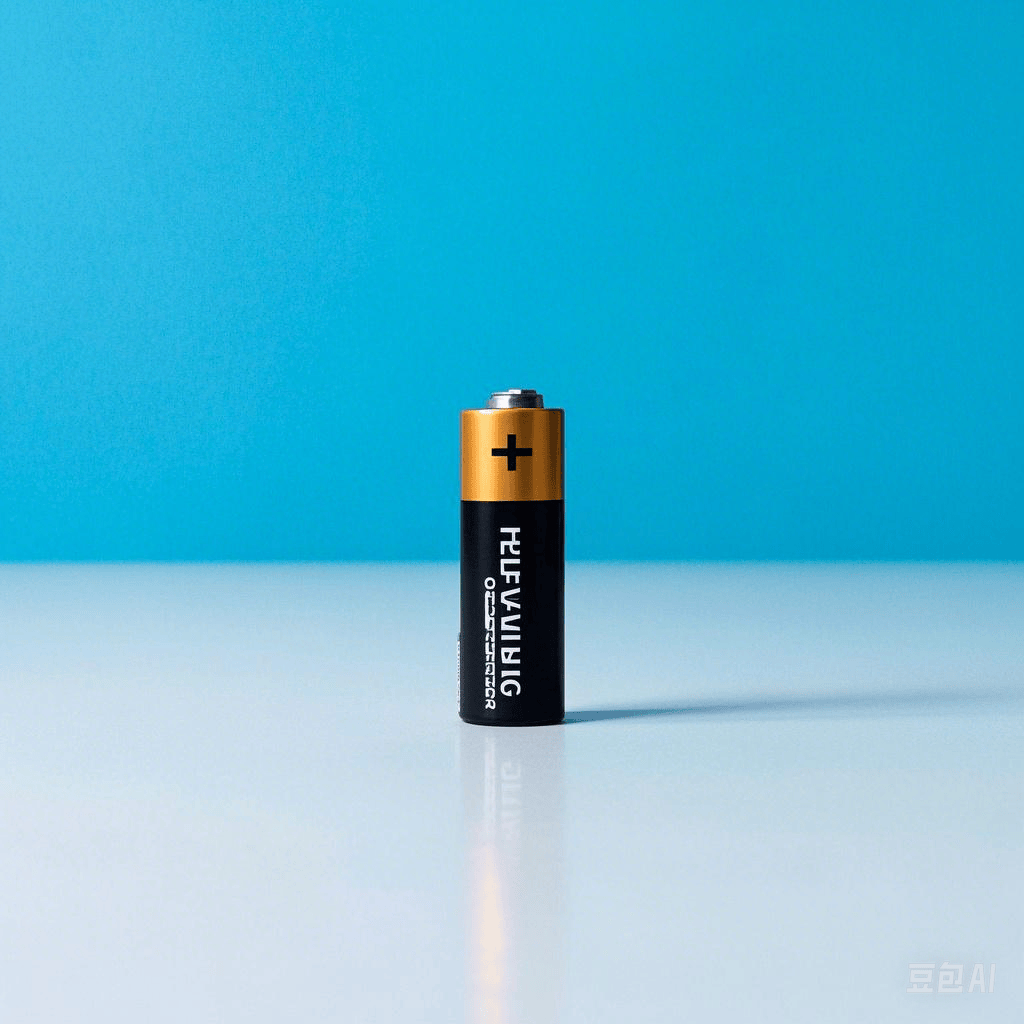
Common dry cell battery models are as follows:
No. 1 battery: The model is D-type, with a diameter of 32.3±0.2mm and a height of 59.0±0.5mm, which is commonly used in flashlights, gas stoves, water heaters, electronic lighters, etc.
No. 2 battery: Model C, 25.3±0.2mm diameter, 49.5±0.5mm height, can be used in radios, flashlights, toys, water heaters, etc.
No. 3 battery: the model is SC, with a diameter of 22.1±0.2mm and a height of 42.0±0.5mm, which is mostly used in power tools, cameras, battery cells in battery packs and imported equipment.
No. 5 battery: model AA, diameter 14mm, height 49mm, is one of the most commonly used batteries, commonly used in shavers, children's toys, mice, remote controls, alarm clocks and other products.
No. 7 battery: model AAA, 11mm diameter, 44mm height, commonly used in remote controls, toys, keyboards, body fat scales and other devices that do not consume much power and have restrictions on size.
No. 9 battery: The model is AAAA, with a diameter of about 8mm and a length of about 42mm, which is mostly used in medium and high-end electronic devices, such as stylus, Bluetooth headsets, medical instruments, etc.
9V battery: The model is PP3, flat type, the size is about 48mm×26mm×17mm, it is commonly used in toys, multimeters, smoke alarms, microphones, remote controls, microphones, microphones, etc.
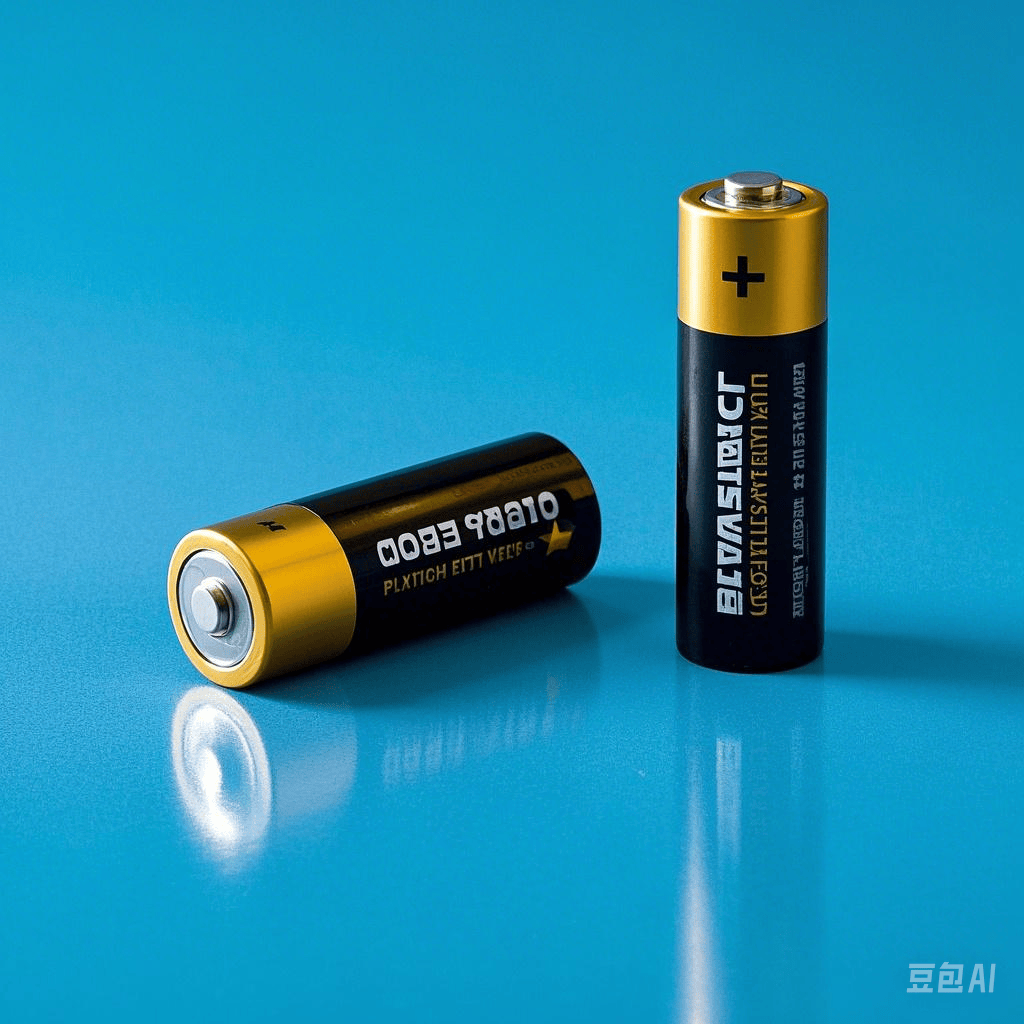
The difference between rechargeable dry battery and ordinary dry battery is mainly reflected in the following aspects:
Performance characteristics:
Rechargeability: Rechargeable dry batteries can be charged by external charging devices to achieve multiple cycles; Ordinary dry batteries are disposable batteries that cannot be recharged and need to be discarded after one use.
Lifespan: The life of rechargeable dry batteries is relatively long, and the number of charges can reach hundreds or even thousands of times; Ordinary dry batteries can generally only be used once and have a short lifespan.
Performance stability: rechargeable dry battery can maintain a relatively stable voltage output during charging and discharging, and can provide relatively stable current; As the use of ordinary dry batteries increases, the voltage and current output will gradually decrease.
Energy density: Rechargeable dry batteries usually have a higher energy density, which can store more electrical energy under the same volume and weight; The energy density of ordinary dry batteries is relatively low.
Cost of use
Price: The price of rechargeable dry batteries is relatively higher than that of ordinary dry batteries; Ordinary dry batteries are cheaper.
Long-term cost: Although the purchase cost of rechargeable dry batteries is high, they can be reused, and the cost of use may be low in the long run; Ordinary dry batteries need to be purchased and replaced continuously, and the long-term cost is high.
Environmental impact: rechargeable dry batteries can be used repeatedly, which reduces the pollution of waste batteries to the environment and is relatively more environmentally friendly; Ordinary dry batteries are discarded after use, and a large amount of discarding will cause great pressure on the environment.

With the deepening of the concept of environmental protection and the continuous development of battery technology, the demand and value of rechargeable dry batteries are gradually reflected. In the future dry battery market, rechargeable dry batteries will become an important supplement to ordinary dry batteries and provide new solutions for key scenarios.

Home | About Us | News | Contact
Product | battery | Rechargeable | Official Mall
Tel :0755-8860 5858
E-mail:cmq@szgxhs.com
Add : F3, No. 18, Dishan North Road,
Xinsheng Community,Longgang
Street, Longgang District,Shenzhen,
Guangdong, China