English
- English
- 中文
2024 iPhone Battery Storm: Data Insights and 2025 Preview
Time: 2025-01-10 11:04:26
Author: Shenzhen GXHS Electronic Technology Co., Ltd.
Click:
In 2024, the global mobile phone battery market will continue to expand, like a booming industrial oasis. According to authoritative data, its scale is expected to reach 117.23GWh, compared to 103.42GWh in 2023, the growth momentum is quite strong. Looking back, the compound annual growth rate from 2019 to 2023 was 1.66%, and looking forward to 2024-2028, this data jumps to 6.61%. From the perspective of revenue, the global mobile phone battery market revenue will be $21.61 billion in 2022, and
iPhone Battery Market in 2024: Anatomy of the Current State
Global market size and growth momentum
In 2024, the global mobile phone battery market will continue to expand, like a booming industrial oasis. According to authoritative data, its scale is expected to reach 117.23GWh, compared to 103.42GWh in 2023, the growth momentum is quite strong. Looking back, the compound annual growth rate from 2019 to 2023 was 1.66%, and looking forward to 2024-2028, this data jumps to 6.61%. From the perspective of revenue, the global mobile phone battery market revenue will be $21.61 billion in 2022, and it will have climbed to $23.05 billion in 2023, with an average annual growth rate of 6.7%, showing a good trend of steady increase.
Among them, the iPhone battery market is like a shining pearl. With Apple's huge user base and strong brand appeal, iPhone batteries occupy a significant share of the global mobile phone battery market. Based on past sales data, each new generation of iPhone released is accompanied by a huge demand for batteries, which not only promotes the iteration of its own battery technology, but also injects surging impetus into the growth of the global mobile phone battery market.
Key players and supply chain layout
When it comes to giants in the field of mobile phone batteries, Sunwoda is definitely an existence that cannot be ignored. As the world's leading mobile phone battery leader, its product line is rich and diverse, like a universal battery treasure box, covering a wide range of smartphones, PCs, drones, sweepers, scooters and other fields, with a market share of more than 30%. Sunwoda is a key part of the iPhone battery supply system, and has been escorting the power life of the iPhone for many years with stable product quality and efficient production efficiency.
Dig into the supply chain of iPhone batteries, which are detailed and complex. In terms of battery cell supply, Sony, ATC, LG and other manufacturers used to be the main force, they are like heroes behind the scenes, providing the core power of iPhone batteries. Among them, Sony battery cells are known for their durability, but the proportion has been adjusted due to cost and other factors in the later stage. The factories that manufacture finished batteries include Desay, Xinwangda, Xinpu, Shunda, etc., which are like skilled craftsmen, carefully assembling battery cells and completing the transformation from parts to finished batteries. Under Apple's strict quality control system, these foundries continue to optimize the process to ensure that every iPhone battery can leave the factory up to standard. In addition, with the development of the market, all links in the supply chain have worked closely together to continuously improve the stability of supply to cope with the peak demand for batteries caused by the global sales of iPhone.
Technology Innovation Spotlight: iPhone Battery Highlights
The iPhone battery is speeding down the runway of technological innovation, and there are many bright spots. In terms of fast charging technology, the fast charging power of the iPhone has always been slightly inferior to that of the Android camp, but it will usher in a turnaround in 2024. It has been reported that the iPhone 16 series will increase the wired fast charging power to 40W, and the MagSafe magnetic wireless fast charging power will also be increased to 20W, which means that fans can "regenerate" the phone in a shorter time, greatly improving the convenience of use. If this revelation comes true, the iPhone will greatly narrow the gap with Android phones in terms of fast charging experience, and redefine the charging habits of fruit fans.
The R&D and application of high-energy-density batteries are also the focus of iPhone's efforts. In order to cram more power into the limited body space, Apple has adopted a new "L" battery design with high-energy-density battery cell materials, which significantly increases the battery capacity of some iPhone 16 series models. For example, the battery capacity of the iPhone 16 Pro has increased from 3274mAh to 3597mAh, an increase of 9.8%; The iPhone 16 Pro Max increased from 4422mAh to 4769mAh, an increase of 7.8%. This breakthrough in the ultimate use of space and energy density is like a "space magic" of mobile phone batteries, providing a solid backing for mobile phone battery life.
In addition, iPhone battery technology innovation does not exist in isolation, but is deeply integrated with the phone system. Through the intelligent power management system, the mobile phone can dynamically adjust the hardware power consumption according to the usage scenario, and accurately match the battery performance. In daily light use, reduce the power consumption of core components such as CPU and GPU, so that the battery power can be consumed slowly and steadily. When running large-scale games, high-definition video shooting, and other high-load tasks, the power is reasonably distributed to avoid instantaneous power drops, and the battery life is optimized in an all-round way, bringing users a smooth and long-lasting experience.

iPhone Battery Demand Insights: Voice of the User
Range anxiety survey
In today's fast-paced digital life, iPhone users' battery life anxiety is becoming more and more prominent. According to a survey by Counterpoint, a well-known market research organization, a whopping 72% of iPhone users say that they experience battery anxiety at least once a week in their daily lives, and 35% of them are troubled by battery problems every day. In the segmented scenario, when taking a long-haul flight, more than 60% of iPhone users are worried that the battery is not enough to support the entertainment needs of the trip. During commuting hours, about 45% of users on the subway or bus are afraid that their phone battery will run out on the way, resulting in the inability to process work information or respond to emergencies in time. In leisure and entertainment scenes, such as outdoor music festivals and sports events, nearly 70% of users are anxious that their mobile phone battery will not last for half a day, and they will miss the shooting and sharing of wonderful moments. Behind this data is the eagerness of iPhone users for long-lasting mobile phone batteries.
Influences the weight of purchase decisions
The weight of battery in iPhone users' purchasing decisions cannot be underestimated. According to market research firm Gartner, about 40 percent of potential iPhone buyers rank battery life as the top three key considerations when choosing a new device, behind processor performance and phone storage capacity. For existing iPhone users, more than 50% of iPhone users will consider replacing their iPhone or battery with a new device or battery when the battery health drops below 80%, and this percentage climbs to 65% among heavy mobile phone users. Compared with other brands, in the mid-to-high-end smartphone market, brands such as Huawei and Samsung have attracted many consumers who are hesitant to switch to the camp due to the short battery life of the iPhone with their combination of large-capacity batteries and fast charging technology. A senior digital blogger analyzed: "Nowadays, mobile phones carry multiple functions of life, work and entertainment, and battery life is the foundation to ensure a smooth experience." If Apple wants to stabilize its market share, it is urgent to continue to optimize battery performance and alleviate users' anxiety about battery life. This accurately illustrates the far-reaching impact of battery life on the performance of the iPhone market, and also points the way for Apple's subsequent product improvements.
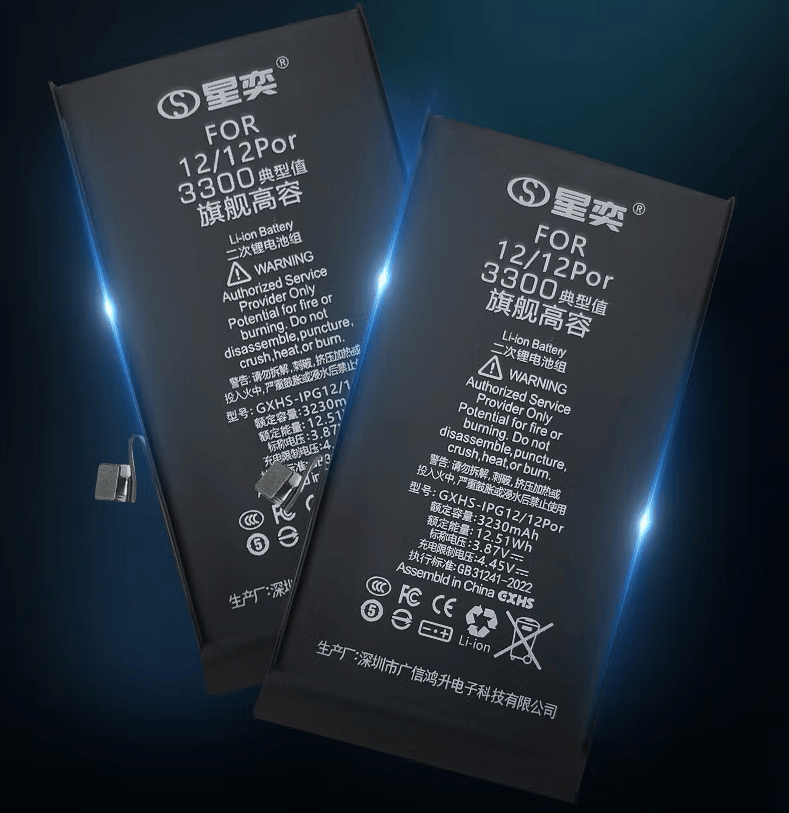
iPhone Battery Market in 2025: Forecast Outlook
Technological innovation breakthroughs
Looking ahead to 2025, iPhone battery technology is poised for a major revolution. Silicon carbon cell technology has attracted much attention, and many scientific research and industrial clues indicate that it will shine. In the laboratory stage, the silicon carbon anode material has shown a higher theoretical specific capacity than the traditional graphite anode, which can bring a significant increase in energy density to the battery. Cutting-edge research has shown that the energy density of the prototype battery using the silicon carbon anode can exceed 800Wh/L, which is more than 30% higher than the traditional lithium-ion battery used in the iPhone 16 series. Once it is mass-produced and commercialized, the iPhone will be equipped with a silicon carbon battery, and the battery will jump significantly in the same body space, so you can use it for a whole day of heavy use.
Solid-state battery technology is also in full swing, and Apple has invested a lot of resources in tackling it. Solid-state electrolytes offer a number of advantages over conventional liquid electrolytes. On the one hand, it can effectively solve the potential safety hazards of liquid electrolyte batteries under extreme working conditions such as high temperature and overcharge, and reduce the risk of battery combustion and explosion; On the other hand, it allows for a higher voltage platform, which further increases energy density, enabling iPhone to achieve a thinner and lighter design while taking battery life to a new level. According to industry analysts, in 2025, Apple has a certain probability of testing solid-state battery technology on a small scale in high-end iPhone models, opening a new era of mobile phone batteries and leading the industry to change.
The application of these new technologies not only changes the battery life experience of iPhone, but also has a profound impact on the design and cost structure of mobile phones. High-energy-density batteries make the internal structure more compact, freeing up valuable space for chips, cameras, and other components, inspiring engineers to innovate and diversify mobile phone forms. However, the high cost of upfront research and development of new technologies and production line transformation may put pressure on iPhone prices in the short term. However, in the long run, large-scale mass production will reduce the unit cost, just like the popularization of lithium-ion batteries in the past, bringing cost-effective new technology dividends to consumers.
The market competition landscape is evolving
In the global smartphone market, the competition between the iPhone and Android camps in the battery field is becoming more and more intense. In recent years, the Android camp has seized a lot of market share with the combination of high-capacity batteries and ultra-fast charging technology. Taking domestic leading brands as an example, some flagship models have a battery capacity of more than 5000mAh, and with 100W or even 200W fast charging technology, the mobile phone can be charged from 0 to 100% in half an hour, meeting the user's emergency energy replenishment needs and attracting a large number of consumers who are sensitive to battery life.
On the other hand, although the iPhone has brand loyalty and a system ecological moat, the battery shortcomings have also caused the loss of some potential users. In 2025, if Apple does not make good progress in battery technology innovation, the Android camp is expected to further expand its market share with its battery advantage. Market research firm IDC predicts that in extreme cases, the global market share of iPhones may decline by 3-5 percentage points, especially in highly competitive regions such as Europe and Asia.
At the supply chain level, the iPhone battery supply chain will be deeply adjusted in 2025. With the upgrading of technology, the requirements for battery material suppliers are rising. For example, in the field of silicon carbon materials, emerging enterprises with advanced preparation processes may stand out and break the monopoly of traditional giants. In the battery production process, in order to ensure the implementation of new technologies and quality control, Apple may further integrate the supply chain and tilt orders to manufacturers with cutting-edge technology research and development capabilities and large-scale mass production experience. If domestic companies can continue to make efforts in new technology research and development, cost control, and yield improvement, they are expected to undertake more orders, move from behind the scenes to the front of the stage, play a more critical role in the global iPhone battery supply chain, realize the gorgeous turn from "Made in China" to "Created in China", and promote China's battery industry to the high end of the value chain.
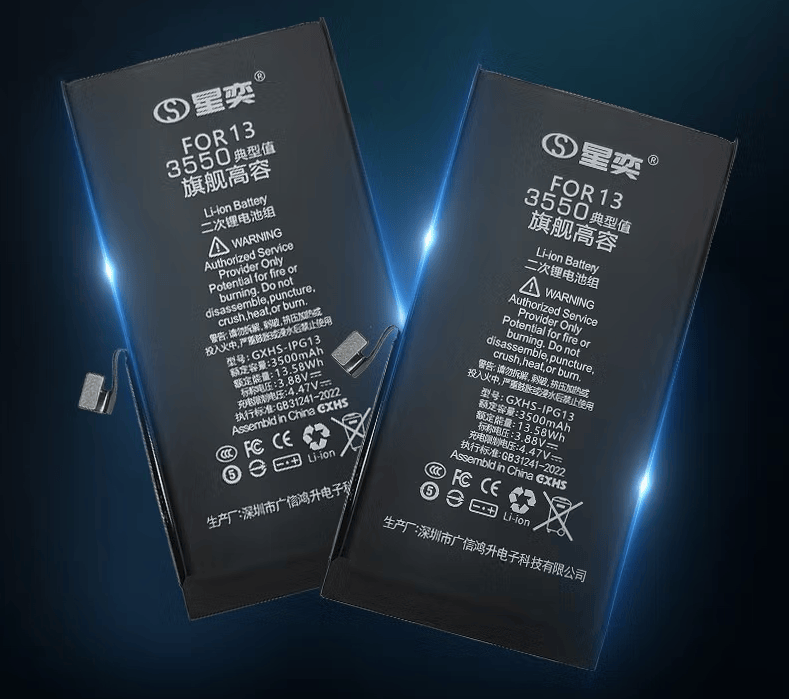
Coping strategy: Apple and the industry chain synergy
Apple's R&D direction
Apple continues to work iPhone battery research and development, and the future research and development direction is clear. On the one hand, the exploration of new materials has not stopped, and the application of silicon-based materials has gradually deepened. Silicon-based anode materials have attracted much attention due to their high theoretical specific capacity, and Apple has increased R&D investment to overcome the expansion problem of silicon materials in the process of charging and discharging, and improve the cycle life of batteries. If possible, the energy density of the iPhone battery will be greatly improved, achieving a thin and light body with long battery life. From the perspective of patent layout, a number of Apple's patents revolve around silicon-based batteries, such as optimizing the interface between silicon materials and electrolytes, enhancing battery stability, and laying a solid foundation for the implementation of technology.
On the other hand, the optimization and upgrading of fast charging technology is on the way. Although the current iPhone fast charging has made progress, there is still a gap with Android. Apple is focusing on developing higher power and safer fast charging solutions, from chargers, charging cables to battery management chips. It is reported that its internal testing of over 60W fast charging technology, and the new battery management chip will accurately regulate the charging current and voltage, reduce heating, protect battery life, and make the fast charging experience more perfect.
In addition, power consumption management at the system level is meticulously detailed. The iOS system is continuously iteratively optimized, intelligently identifies the running status of applications, and accurately controls background programs and energy-intensive tasks. For example, in low power mode, it further restricts non-critical processes, reduces the screen refresh rate, ensures the battery life of core functions, and squeezes out the value of each kilowatt-hour of electricity through software and hardware collaboration.
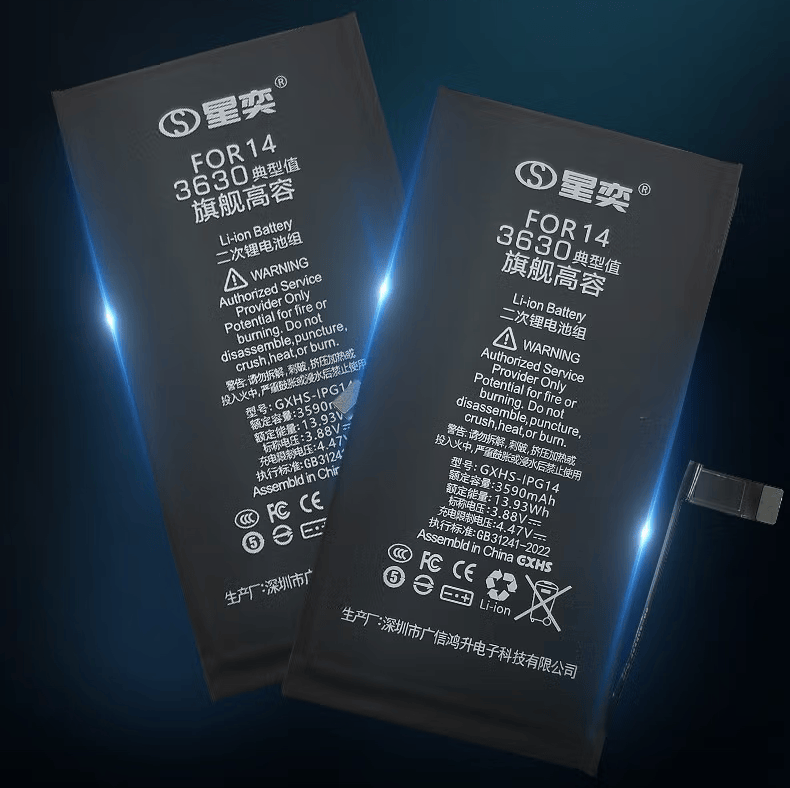
Industrial chain upgrade path
Battery suppliers, the heroes behind iPhone batteries, also need to keep up with the times. At the technical level, we continue to invest in R&D funds to improve the energy density, safety and fast charging adaptability of battery cells. Sunwoda and other manufacturers should strengthen industry-university-research cooperation with universities and scientific research institutions to accelerate the transformation of cutting-edge technological achievements, such as the leap of solid-state battery technology from the laboratory to the production line, to ensure that their own technical reserves are not outdated.
Capacity expansion is also crucial, according to Apple's order expectations and market trends, forward-looking layout of production lines. The new factory should pay attention to intelligent and automated transformation to improve production efficiency and yield. Taking India, Vietnam and other places as examples, suppliers must not only take advantage of local cost advantages, but also overcome infrastructure and talent shortcomings to ensure a stable ramp-up of production capacity and meet the global demand for iPhones.
In-depth cooperation model innovation is indispensable. Suppliers and Apple should establish a closer strategic partnership, participate in early product design, and provide professional advice from battery selection and structural design to achieve the best overall performance of batteries and mobile phones. At the same time, it shares information on market demand and technology trends, jointly responds to challenges such as supply chain fluctuations and rising raw material prices, and helps iPhone battery technology lead the way to a new peak of mobile phone battery technology in collaborative innovation.

Home | About Us | News | Contact
Product | battery | Rechargeable | Official Mall
Tel :0755-8860 5858
E-mail:cmq@szgxhs.com
Add : F3, No. 18, Dishan North Road,
Xinsheng Community,Longgang
Street, Longgang District,Shenzhen,
Guangdong, China